The smart Trick of Bed Bug Services That Nobody is Talking About
Table of ContentsAll About Bed Bug ServicesThe Ultimate Guide To Bed Bug ServicesA Biased View of Bed Bug ServicesBed Bug Services Fundamentals Explained
A professional bed bug inspection is much more than a simple walkthrough and relies on expertise. Bed bugs are difficult-to-detect, fast-moving pests that hide in narrow spaces, corners, and upholstery. Because of their secretive nature, meticulous assessment is critical to identify the full scope of the problem. Professional inspectors use a combination of tools, procedures, and knowledge to locate pests effectively, stopping infestations from worsening.The first step in a proper inspection involves understanding bed bug biology and behavior. Bed bugs belong to the Hemiptera group and progress through eggs, several nymphs, and adult stages. Adults are oval, flat, reddish-brown insects that lack wings and have long legs and antennae. Their mouthparts are designed to pierce skin and extract blood, resulting in clusters of itchy bites. Knowing these traits helps inspectors anticipate hiding spots.
Early detection is vital for preventing large infestations. Professionals look for specific indicators such as fresh droppings that resemble small ink dots, old stains, shed skins, eggs, or eggshells (Bed Bug Services). A single female can lay hundreds of eggs, leading to rapid infestations if unchecked. Evidence of molted skins or eggshells signals ongoing activity and necessitates immediate attention
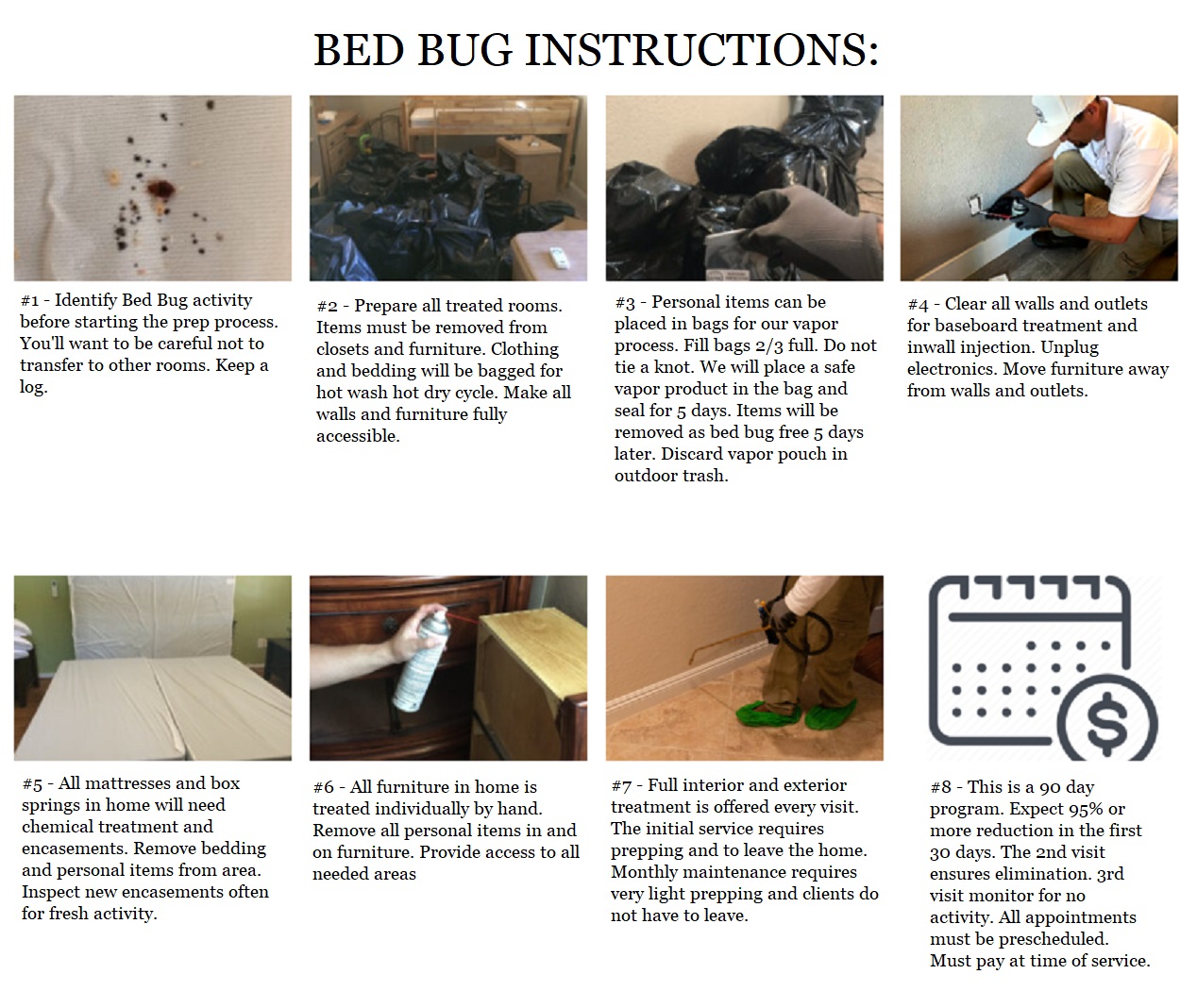
Preparing for an inspection involves careful organization. Inspectors often advise removing items that block access, which makes it easier to inspect furniture and wall edges. Bedding and linens may be washed in hot water and dried on high heat, and then kept in plastic bags to maintain cleanliness. Wall decor, mirrors, and pictures are sometimes moved to check hiding places. Vacuuming furniture and floors may capture visible bugs and eggs, and vacuum bags should be discarded carefully to avoid spreading.
Some Known Questions About Bed Bug Services.
The go to this website inspection itself is comprehensive and careful. Inspectors examine mattresses, bed frames, and headboards, paying attention to edges, seams, and potential hiding spots. Upholstered furniture, including sofas and recliners, is scrutinized to reveal any hidden pests. Baseboards, moldings, the edges of wall-to-wall carpeting, electrical outlets, closets, and storage areas receive detailed attention, as these can be common harborage sites.
Specialized tools help inspectors find hidden pests. Flashlights, magnifying lenses, multi-tools, and mirrors provide visibility in crevices and corners. Monitoring devices like interceptor traps or sticky pads help track bed bug activity over time. Some companies use detection dogs, which accurately identify active infestations, distinguishing them from non-active traces.


Meticulous documentation is essential. Inspectors document all signs, infestation levels, and suggested measures. This supports transparency and official site helps with client communication. Residents are often advised not to remove blood-stained sheets or vacuum infested areas, as this ensures accurate results.
After inspection, a monitoring plan may be recommended to verify infestations and observe trends. Continuous monitoring detects reinfestation, and interviews with household members helps pinpoint problem areas. Cooperation from residents enhances detection.
Bed Bug Services Can Be Fun For Everyone
Professional inspections are more reliable than self-inspections. Trained inspectors recognize early evidence of bed bugs, prevent misdiagnosis, and give peace of mind.
Bed bug inspections are particularly important in high-risk environments. Inspectors check neighboring rooms and shared spaces to confirm complete assessment (Bed Bug Services). This prevents escalation and reduces treatment costs
In summary, a professional bed bug inspection requires knowledge of bed bugs, property preparation, careful examination, tool utilization, record-keeping, and follow-up monitoring. Each step supports early detection, informs treatment, and reduces future risk.
More About Bed Bug Services